
The Seasons of the Holy Land: A Journey Through Nature’s Cycles
The Holy Land, a region renowned for its religious and historical significance, also boasts a diverse and fascinating climate. Located at the crossroads of Europe, Asia, and Africa, the area enjoys a Mediterranean climate characterized by distinct seasonal changes. The Holy Land experiences four main seasons—spring, summer, autumn, and winter—each with its own unique characteristics. From the cool, rainy winters to the hot, dry summers, the weather plays a vital role in shaping the land’s culture, agriculture, and daily life. In this blog, we will delve into the sun-drenched summer of the Holy Land.
Summer in the Holy Land: The Heat of the Season
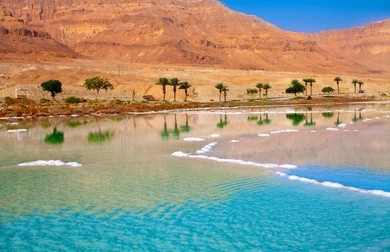
Summer in the Holy Land, spanning from June to August, is defined by high temperatures and dry conditions. The heat can be intense, especially in the desert areas and the lowlands, where temperatures often exceed 30°C (86°F) and sometimes reach over 40°C (104°F). Even in cities such as Jerusalem and Bethlehem, located in the cooler highlands, summer temperatures tend to hover around 25°C (77°F) during the day, with nighttime temperatures providing some relief. The long, sun-filled days create an almost timeless atmosphere, where the land appears to slow down under the heavy warmth of the sun.
The dry conditions during the summer months can be challenging for both the people and the environment. Rain is virtually nonexistent, and many areas experience a drought-like environment, especially the arid regions of the Negev Desert. Water conservation becomes a top priority, and locals often rely on water sources such as the Sea of Galilee and underground aquifers to sustain themselves. Despite the challenges, summer in the Holy Land is also a time of celebration and festivity. It is a season when families gather for outdoor meals, and the beaches along the Mediterranean coast become bustling hubs of activity, offering much-needed respite from the heat.
Summer Nights and the Culture of Heat
While the days are hot and dry, the evenings in the Holy Land provide a striking contrast. As the sun sets, temperatures begin to drop, offering a cooler atmosphere that encourages outdoor gatherings, whether in urban areas like Tel Aviv or in more rural, pastoral settings. The balmy nights are often filled with the sounds of music, festivals, and cultural events. In cities like Haifa, festivals celebrating music, dance, and art take place outdoors, taking advantage of the pleasant evening air and the region’s lively summer energy.
Summer is also an essential time for agriculture in the Holy Land, although it is a period of limited growth due to the heat. Crops like olives, grapes, and figs thrive during the summer months, their fruit ripening under the hot sun. The agricultural landscape reflects the resilience of both the land and its people, who have adapted to the challenging summer conditions. The intense summer sun serves as a reminder of the power and beauty of nature, as well as the profound connection between the land and those who live on it.
Conclusion
Summer in the Holy Land is a season marked by intense heat, dry landscapes, and a vibrant culture that thrives under the sun. While it brings challenges, it also highlights the strength and adaptability of the people who call this land home. From the bustling coastal cities to the quiet, serene evenings in the hills, summer in the Holy Land is a time of both endurance and celebration, shaping the rhythms of life in this historically rich region.