
The Seasons of the Holy Land: A Cycle of Renewal and Reflection The Holy Land, a region rich in historical, cultural, and religious significance, is not only renowned for its sacred sites but also for its distinct seasonal changes. Nestled at the intersection of Europe, Asia, and Africa, the region experiences a Mediterranean climate, which is characterized by mild, wet winters and hot, dry summers. The geography of the Holy Land—ranging from coastal plains to rugged mountains and arid deserts—creates a variety of microclimates, making the weather both diverse and unique. In this blog, we explore the winter season, which brings a refreshing and vital change to the landscape
Winter in the Holy Land: A Season of Rain and Renewal
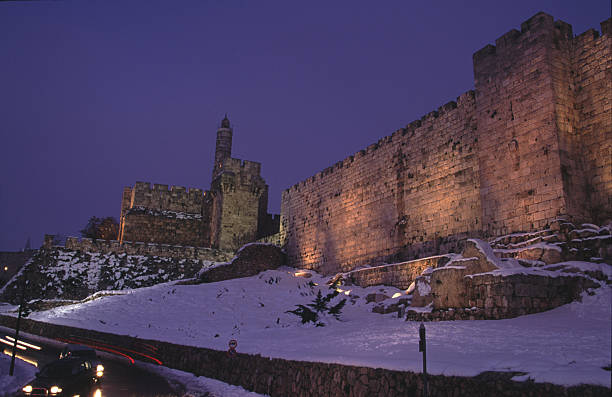
Winter in the Holy Land lasts from December through February and brings much-needed rain to the region. The temperatures during this time are mild compared to harsher climates, with daytime temperatures averaging between 10°C (50°F) and 20°C (68°F). However, in higher-altitude areas such as Jerusalem and the surrounding mountains, temperatures can dip lower, occasionally even reaching below freezing during the coldest nights. While snow is not a frequent occurrence, it occasionally blankets the higher elevations, turning cities like Jerusalem into winter wonderlands.
Winter is the season of replenishment for the land. The rainfall is essential for agriculture, filling the underground aquifers and nourishing the fields. Wheat, barley, and other grains are planted in the fall and begin to grow during the winter months, relying on the rain to thrive. The rain also supports the growth of fruits and vegetables, preparing the land for the more abundant spring season. For farmers and the communities that rely on the land, the winter rains are a lifeline, providing the moisture needed to sustain crops throughout the year.
Spiritual Significance and the Quiet of Winter
In addition to its agricultural importance, winter in the Holy Land holds spiritual significance. The cooler months bring a time of reflection and contemplation. Pilgrims and locals alike flock to sacred sites during these months, seeking a deeper connection to their faith amidst the serene atmosphere that winter creates. The weather encourages a slower pace of life, offering a time for rest and renewal before the more active seasons of spring and summer.
In urban areas, the winter brings a peaceful stillness. With fewer tourists visiting due to the cooler weather, cities like Bethlehem, Nazareth, and Jerusalem take on a quieter, more introspective quality. The cold, rainy days are often spent indoors with family, celebrating the warmth of community and tradition. The winter season, with its gentle rains and calm atmosphere, is a reminder of the cyclical nature of life in the Holy Land—each season playing a vital role in the spiritual and agricultural rhythms that shape the region.
Conclusion
Winter in the Holy Land is a time of reflection, renewal, and nourishment. From the life-giving rain that sustains crops to the peaceful atmosphere that fosters spiritual growth, this season holds deep significance for both the land and its people. While it may be the quietest time of the year, winter provides the foundation for the upcoming seasons of growth and celebration. As the rains fall and the land rests, the Holy Land prepares for the vibrant renewal that spring will bring.