
The Seasons of the Holy Land: A Tapestry of Nature’s Beauty
The Holy Land, a region steeped in history, culture, and spirituality, experiences a rich variety of seasonal changes, thanks to its unique Mediterranean climate. Located at the crossroads of Europe, Asia, and Africa, the region’s weather is shaped by its diverse geography—from the coastal plains and fertile valleys to the desert highlands and mountain ranges. The Holy Land enjoys four distinct seasons: spring, summer, autumn, and winter. Each season offers its own unique atmosphere, influencing everything from the local agriculture to the rhythms of life. In this blog, we’ll explore the autumn season, a time of harvest, reflection, and beauty in the Holy Land.
Autumn in the Holy Land: A Time of Harvest and Transition
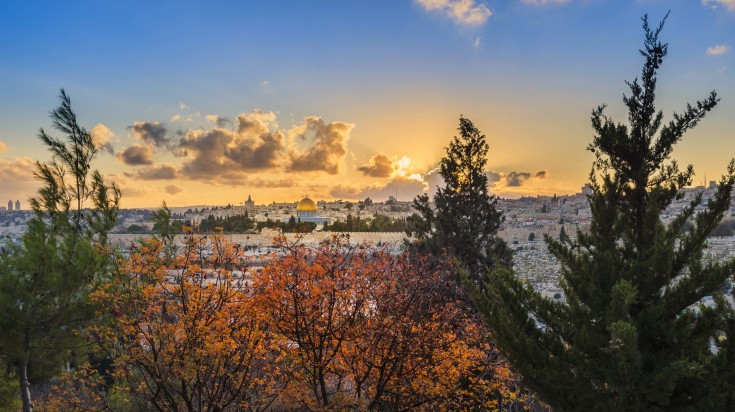
Autumn in the Holy Land, spanning from September to November, is a season marked by the transition from the intense heat of summer to the more moderate temperatures of winter. Temperatures during this season vary, with the coastal regions experiencing daytime highs around 25°C (77°F), while the interior and mountainous areas enjoy cooler, crisp air. As the days grow shorter and the air becomes fresher, the region’s landscape undergoes a subtle transformation. The lush green hills and valleys that have flourished during the rainy season gradually begin to turn golden, signaling the approach of winter. Autumn is also a season of harvest in the Holy Land, with the land providing a bounty of fruits and crops. Grapes, olives, figs, pomegranates, and dates ripen in the fields, and many farmers gather their crops during this time. The sights and smells of fresh produce fill the markets and homes, making autumn a vibrant time for both locals and visitors alike.
Autumn’s Spiritual and Cultural Significance
Autumn in the Holy Land carries deep spiritual and cultural significance. For many religious communities, it is a time of reflection and renewal. The cooler temperatures and peaceful atmosphere provide a moment of respite after the intense heat of summer. The land is quiet, with fewer tourists visiting, allowing for a more introspective and serene experience at sacred sites such as Jerusalem, Nazareth, and Bethlehem. The autumn months offer a period of preparation, as the land rests and rejuvenates in anticipation of the coming rains and the growth that will follow in the spring. In many ways, autumn serves as a bridge between the vitality of summer and the restful winter, providing time for both physical and spiritual harvest.
Conclusion
Autumn in the Holy Land is a season of change, harvest, and reflection. As the weather cools and the land begins its transition into winter, the Holy Land takes on a peaceful, contemplative quality. With its rich harvest and deep cultural and spiritual traditions, autumn reminds the people of the region of the interconnectedness of nature, agriculture, and faith. It’s a time of gratitude for the land’s bounty and a moment to pause before the cycle of renewal begins again in the winter.